 投稿咨询
投稿咨询
微信添加科研助理
了解相关问题
 加急服务
加急服务
微信添加科研助理
了解相关问题

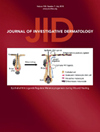
ISSN:0022-202X
JOURNAL OF INVESTIGATIVE DERMATOLOGY
研究性皮肤病学杂志
J INVEST DERMATOL
学科领域:医学
是否预警:不在预警名单内
是否OA:否
录用周期:平均2月
新锐分区:医学2区
年发文量:209
影响因子:5.7
JCR分区:Q1
基本信息
研究性皮肤病学杂志《调查性皮肤病学杂志》(JID)发表了关于皮肤生物学和皮肤病各个方面的原始研究报告。主题包括生物化学、生物物理学、致癌作用、细胞调控、临床研究、开发、胚胎学、流行病学和其他基于人群的研究、细胞外基质、遗传学、免疫学、黑色素细胞生物学、微生物学、分子和细胞生物学、病理学、经皮吸收、药理学、光生物学、生理学、皮肤结构和伤口愈合
5.7
点击查看最新影响趋势>
实时影响因子
按照标准的SCl影响因子计算公式,可以得出当前实时的影响因子数据。请注意,由于科睿唯安每年6月底会发布上一年度的IF数据,因此1-6月底预测的上-年度实时影响因子非常接近6月底正式发布的数据。而下半年计算的实时影响因子则因为当年年度尚未结束,计入考量的年度引用数会偏少,因此实时影响因子数据会从大约50%逐渐接近真实IF数据。大家可以按照当前月份数占比来大致估计全年的最终IF值(考虑数据入库延迟,估算全年IF时可适当上浮)。

中科院分区 关于2019年中科院分区升级版(试行)
分区表升级版(试行)旨在解决期刊学科体系划分与学科发展以及融合趋势的不相容问题。由于学科交叉在当代科研活动的趋势愈发显著,学科体系构建容易引发争议。为了打破学科体系给期刊评价带来的桎梏,“升级版方案”首先构建了论文层级的主题体系,然后分别计算每篇论文在所属主题的影响力,最后汇总各期刊每篇论文分值,得到“期刊超越指数”,作为分区依据。
分区表升级版(试行)的优势:一是论文层级的主题体系既能体现学科交叉特点,又可以精准揭示期刊载文的多学科性;二是采用“期刊超越指数”替代影响因子指标,解决了影响因子数学性质缺陷对评价结果的干扰。整体而言,分区表升级版(试行)突破了期刊评价中学科体系构建、评价指标选择等瓶颈问题,能够更为全面地揭示学术期刊的影响力,为科研评价“去四唯”提供解决思路。相关研究成果经过国际同行的认可,已经发表在科学计量学领域国际重要期刊。
提示:中科院分区官方微信公众号“fenqubiao”仅提供基础版数据查询,暂无升级版数据,请注意区分。
2026年3月发布
点击查看历史分区趋势 >
大类学科小类学科Top期刊综述期刊
医学2区
DERMATOLOGY
皮肤病学
2区
否
N/A
WOS期刊JCR分区 是指SCI官方的JCR分区,全称为JoumnalCitation
Reports,是由ClarivateAnalytics(即科睿唯安,前身为汤森路透)基于旗下的Web
ofScience数据库,为每个学科内的期刊按照IF数值排序,将期刊按照四等分的方法划分的Q1-Q4等级:Q1代表质量最高,即常说的1区期刊。相比中国科学院分区的金字塔形划分方法,科睿唯安JCR分区中被认定为高质量分区的期刊数量相对更多。
WOS期刊SCI分区 2024-2025最新升级版
按JIF指标学科分区收集子录JIF分区JIF排名百分位
学科:DERMATOLOGY
SCIE
Q1
7/96
按JCR指标学科分区收集子录JCR分区JCR排名百分位
学科:DERMATOLOGY
SCIE
Q1
7/96
h-index
是指该期刊有h篇文章至少被引用h次,是一项简单易懂的评估指标,不像平均值会受极端值影响,可呈现出多数文章的被引用表现。Google使用过去5年的h-index数据评价期刊的影响力,“h5指数”比较难以被人为操控,不会因为多了一篇超高被引论文而明显增长,另一方面,刻意减少发文量也不会对提升h5指数有作用。
年文章数
是指每年6月SCI发布的IF数据中所提供的上一年全年发文数量。如2018年7月-2019年6月,显示的是2017年的发文数。对极少数热门期刊,我们会在1月份更新为最新一年的发文数。
209
点击查看年发文量趋势图>
5.3%
点击查看自引率趋势图>
预警情况
期刊预警不是论文评价,更不是否定预警期刊发表的每项成果。《国际期刊预警名单(试行)》旨在提醒科研人员审慎选择成果发表平台、提示出版机构强化期刊质量管理。
预警期刊的识别采用定性与定量相结合的方法。通过专家咨询确立分析维度及评价指标,而后基于指标客观数据产生具体名单。
具体而言,就是通过综合评判期刊载文量、作者国际化程度、拒稿率、论文处理费(APC)、期刊超越指数、自引率、撤稿信息等,找出那些具备风险特征、具有潜在质量问题的学术期刊。最后,依据各刊数据差异,将预警级别分为高、中、低三档,风险指数依次减弱。
《国际期刊预警名单(试行)》确定原则是客观、审慎、开放。期刊分区表团队期待与科研界、学术出版机构一起,夯实科学精神,打造气正风清的学术诚信环境!真诚欢迎各界就预警名单的分析维度、使用方案、值得关切的期刊等提出建议!
时间预警情况
2026年03月发布的新锐学术版不在预警名单中
2025年03月发布的2025版不在预警名单中
2024年02月发布的2024版不在预警名单中
2023年01月发布的2023版不在预警名单中
2021年12月发布的2021版不在预警名单中
2020年12月发布的2020版不在预警名单中
CiteScore 是Scopus中系列期刊指标的一部分,包括
SNIP(源文档标准化影响),SJR(SClmago杂志排名),引用文档计数以及引用百分比。Scopus
整合以上指标,帮助研究者深入了解超过22.220
种论著的引用情况:CiteScore由以下八个附加指标组成:CiteScore、CiteScore追踪、CiteScore百分位数。CiteScore四分位数、CiteScore排名、引用计数、文档计数、引用百分比。您可在Scopus
Joumal Metricswebsite了解各个指标的详细信忘。
CiteScore:8.70
SJR:1.659
SNIP:1.164
学科类别分区排名百分位
大类:Medicine
小类:Dermatology
小类:Dermatology
Q1
7 / 147
大类:Medicine
小类:Biochemistry
小类:Biochemistry
Q1
73 / 441
大类:Medicine
小类:Molecular Biology
小类:Molecular Biology
Q1
93 / 410
大类:Medicine
小类:Cell Biology
小类:Cell Biology
Q2
76 / 285
期刊高被引文献
996 Epidermal AMBRA1 and Loricrin; A paradigm shift in prognostication and stratification of AJCC stage I melanoma
来源期刊:Journal of Investigative DermatologyDOI:10.1016/J.JID.2019.03.1072
736 UVA-induced photoaging inhibits autophagic degradation by impairing lysosomal function and cathepsins expression in dermal fibroblasts
来源期刊:Journal of Investigative DermatologyDOI:10.1016/J.JID.2019.03.812
LB1096 Results of phase 2 study evaluating the efficacy and safety of SB206, topical berdazimer sodium gel, in subjects with Molluscum Contagiosum
来源期刊:Journal of Investigative DermatologyDOI:10.1016/J.JID.2019.06.061
相关文章
期刊推荐

 论文发表
论文发表
 2-4个月录用
 7500+文章录用
 不成功可退款

2026年3月发布(新锐分区)
大类学科小类学科Top期刊综述期刊
医学2区
DERMATOLOGY
皮肤病学
2区
否
N/A
2025年3月升级版
大类学科小类学科Top期刊综述期刊
医学2区
DERMATOLOGY
皮肤病学
2区
否
否
2023年12月旧的升级版
大类学科小类学科Top期刊综述期刊
医学2区
DERMATOLOGY
皮肤病学
2区
是
否